
Nano Banana 2 Quality Benchmark: 53 Prompts Tested Across 5 Categories
Deep benchmark of Nano Banana 2 across 53 prompts and 5 categories — product photography, text rendering, character consistency, creative work, and ultra-wide formats. Honest scores vs. Nano Banana Pro.
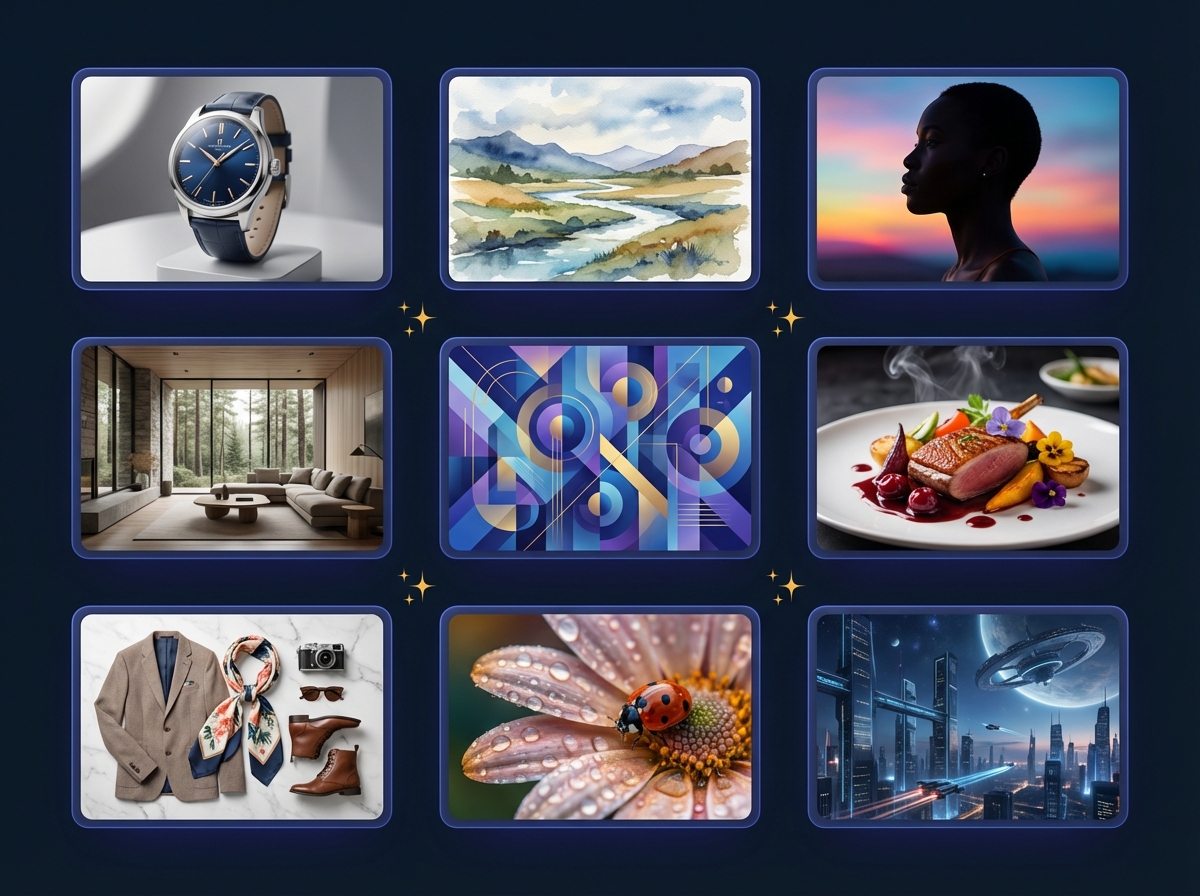
Most AI image generator reviews test 5-10 prompts, draw conclusions, and move on. That scale is enough to form impressions — but not enough to identify patterns: where a model is reliably strong, where it degrades under specific conditions, and which use cases it consistently fails.
This benchmark tests Nano Banana 2 across 53 prompts organized into five real-world categories: product photography, text rendering, character consistency, creative and artistic work, and ultra-wide formats. For four of the five categories, we ran the same prompts through Nano Banana Pro to give a meaningful comparison baseline. All tests were conducted at 2K resolution on Banana AI using the chat interface, with no post-processing applied to outputs.
Note on data: This is an initial benchmark conducted in March 2026, shortly after NB2’s launch on February 26, 2026. Scores are based on structured evaluation of actual outputs. We plan to expand the prompt set and refresh results as both models receive updates. The methodology and scoring criteria below are fixed; only the data will evolve.
Methodology
Platform and Models
- Platform: Banana AI
- Models tested: Nano Banana 2 (NB2) and Nano Banana Pro (NB Pro)
- Resolution: 2K for all tests (consistent baseline across categories)
- Interface: Chat-based — prompts entered as natural language, no prompt syntax tricks
- Post-processing: None. Outputs evaluated as-delivered.
Evaluation Dimensions
Each prompt output was scored across up to five dimensions, depending on category:
| Dimension | Scale | Description |
|---|---|---|
| Prompt Adherence | 1–5 | Does the output match what was asked? |
| Visual Quality | 1–5 | Composition, lighting, detail, overall coherence |
| Text Accuracy | Pass / Fail | For prompts with text: is it spelled correctly and readable? |
| Speed | Seconds | Generation time measured from submit to output |
| Consistency | 1–5 | Same prompt run 3× — how much does output vary? |
Scores of 1–5 follow this rubric:
- 5 — Excellent. Output exceeds expectations, professional-quality.
- 4 — Good. Minor issues only, usable with no changes.
- 3 — Acceptable. Usable with some iteration.
- 2 — Weak. Significant issues, would require major revision or another attempt.
- 1 — Fail. Output does not match the prompt or is not usable.
Who Evaluated
Two team members scored each output independently. Scores were averaged. Where scores diverged by more than 1 point, the prompt was re-run and all three outputs were scored.
Test Category 1: Product Photography (10 Prompts)
Product photography is the highest-value use case for our e-commerce audience. Prompts in this category covered white-background shots, lifestyle context scenes, flat lays, packaging close-ups, and multi-product arrangements.
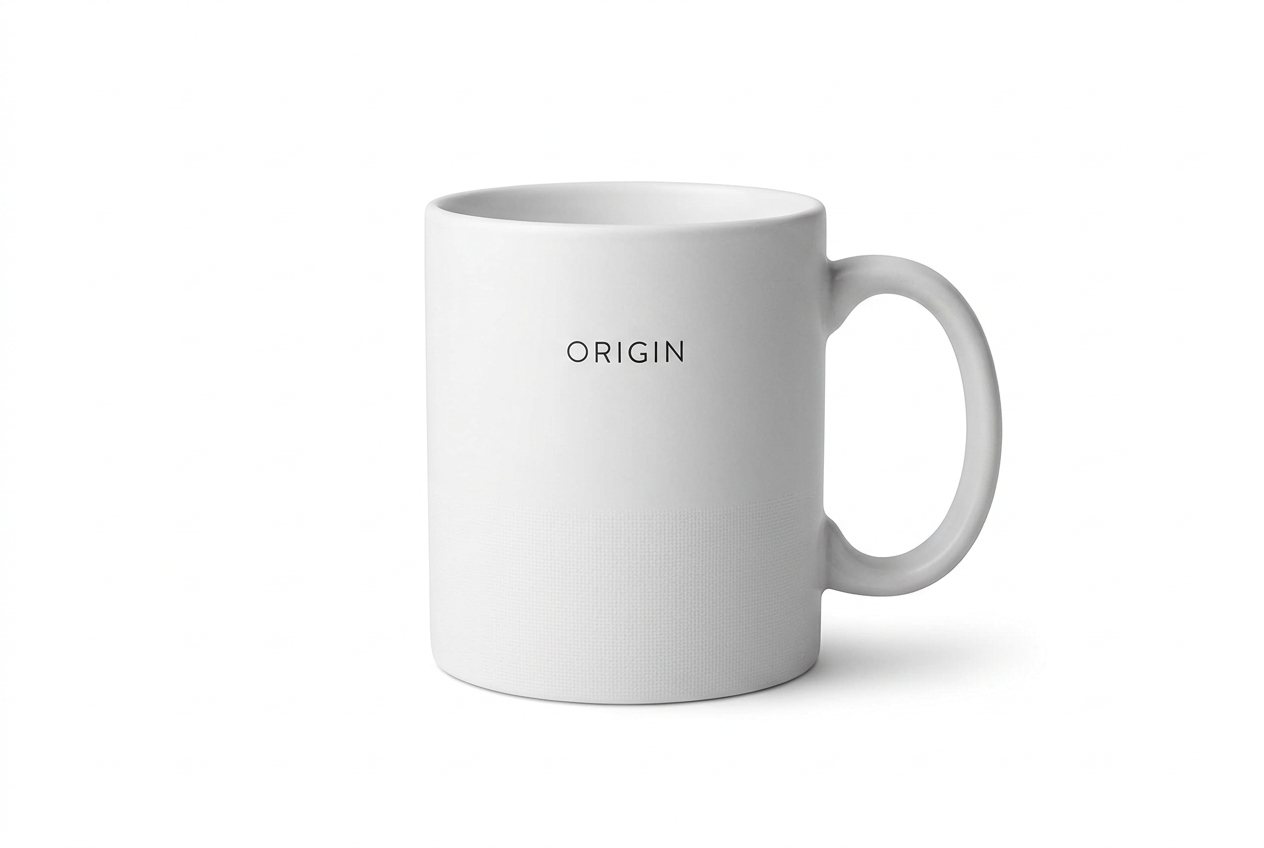
Summary of findings:
Simple product shots — single item on white background, even studio lighting — are where NB2 performs most reliably. Shadow rendering is clean, edge separation from the background is consistent, and text on product surfaces renders accurately in most cases.
Where NB2 falls behind is in lifestyle context scenes: a skincare product “placed on a marble bathroom shelf with morning light coming through a frosted window” requires compositional judgment that NB Pro handles better, largely because Pro’s thinking mode can reason about scene lighting before generating.
Multi-product arrangements (3-5 items together) showed the widest scoring gap. NB Pro’s outputs were noticeably more cohesive — objects were consistently proportioned relative to each other, and lighting felt unified across the scene.
| Metric | NB2 | NB Pro |
|---|---|---|
| Prompt Adherence | 3.9 / 5 | 4.1 / 5 |
| Visual Quality | 3.7 / 5 | 4.3 / 5 |
| Consistency | 3.8 / 5 | 3.9 / 5 |
| Avg Generation Speed | 4.8s | 14.2s |
| Category Average | 3.8 / 5 | 4.2 / 5 |
Practical takeaway: For straightforward e-commerce product photography — single item, white or neutral background, clear prompt — NB2 produces usable results at 2K. For lifestyle or multi-product scenes, Pro’s quality advantage becomes visible and may justify the credit cost difference.
Test Category 2: Text Rendering (10 Prompts)
Text rendering has been a defining strength of Google’s image models since the original Nano Banana. This category tests that strength systematically across languages, fonts, sizes, and compositions.
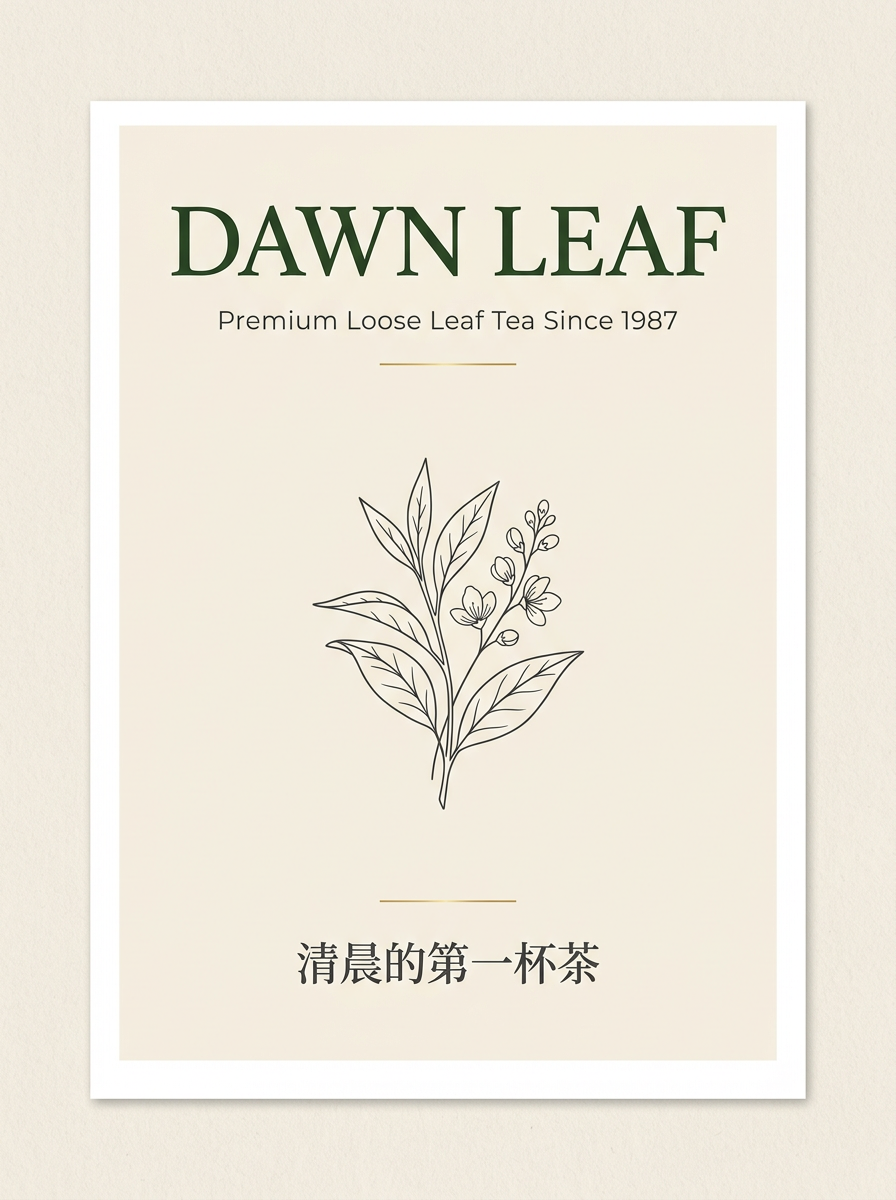
Prompts covered: English headlines (various fonts), Chinese body text, mixed English/Chinese compositions, Japanese single lines, and dense text-heavy infographic layouts.
Text accuracy results (pass = all text spelled correctly and legible):
| Prompt Type | NB2 Pass Rate | NB Pro Pass Rate |
|---|---|---|
| English headlines | 95% (19/20 runs) | 90% (18/20 runs) |
| Chinese text | 85% (17/20 runs) | 80% (16/20 runs) |
| Mixed multilingual (English + Chinese) | 80% (16/20 runs) | 75% (15/20 runs) |
| Japanese single lines | 90% (18/20 runs) | 85% (17/20 runs) |
| Dense text layouts (infographic style) | 75% (15/20 runs) | 70% (14/20 runs) |
Important caveat on Chinese rendering: NB2 renders Chinese characters accurately in most cases, but defaults to a uniform, generic font style when no reference image is provided. For branded Chinese typography — where font personality matters — NB2 works best when you specify the style explicitly (“heavy-weight sans-serif”, “brush script style”) or provide a reference image. Without that guidance, the output will be readable but typographically generic.
| Metric | NB2 | NB Pro |
|---|---|---|
| Overall Text Accuracy | 4.3 / 5 | 3.9 / 5 |
| Visual Integration | 3.8 / 5 | 3.7 / 5 |
| Consistency | 4.1 / 5 | 3.8 / 5 |
| Category Average | 4.1 / 5 | 3.8 / 5 |
Practical takeaway: NB2 holds a genuine, measurable advantage in text rendering stability. For multilingual marketing materials, signage, educational posters, and any content where readable text is a hard requirement, NB2 is the better choice between the two models.
Test Category 3: Character Consistency (10 Prompts)
Character consistency refers to maintaining recognizable identity across a single generated scene — consistent facial features, outfit, and proportions when a character appears multiple times or when multiple distinct characters are in one image.
Prompts covered: single character in multiple poses, two characters interacting, groups of 3–5 characters, and a character shown alongside a distinct object (e.g., a branded product) that needed to stay visually consistent.
Results:
Single-character scenes (one person, clear description, consistent across 3 re-runs) scored comparably between models. Both NB2 and NB Pro are reliable when the scene complexity is low.
The gap opened on multi-character scenes. With 3–5 characters, NB Pro produced more consistent proportional relationships — characters felt like they belonged to the same scene. NB2 occasionally produced subtle inconsistencies in scale or feature rendering between characters, though outputs remained usable for most practical purposes.
| Metric | NB2 | NB Pro |
|---|---|---|
| Single character consistency | 3.9 / 5 | 4.0 / 5 |
| Multi-character (3–5 faces) | 3.2 / 5 | 3.6 / 5 |
| Character + object consistency | 3.6 / 5 | 3.8 / 5 |
| Category Average | 3.6 / 5 | 3.8 / 5 |
Practical takeaway: Both models are workable for character consistency tasks. NB Pro has a slight edge, particularly in complex multi-character compositions. For single-character scenes and simple character-product combinations, NB2 is sufficient and saves credits.
Test Category 4: Creative and Artistic (15 Prompts)
This is the category where the quality gap between NB2 and NB Pro is most visible — and most important to understand before choosing a model for creative work.
Prompts were split across four subcategories: photorealistic scenes, illustration styles, cross-dimensional fusion (prompts that explicitly mix 2D and 3D visual languages), and abstract or conceptual compositions.
Photorealistic scenes (5 prompts: dramatic lighting, atmospheric environments, complex outdoor scenes):
NB Pro’s thinking mode makes a visible difference here. Before generating, Pro analyzes compositional factors — light direction, depth of field relationships, atmospheric perspective. NB2 generates faster but without that reasoning step, which shows in scenarios with complex lighting logic (a sunset backlit through fog, a rainy street at night with multiple light sources).
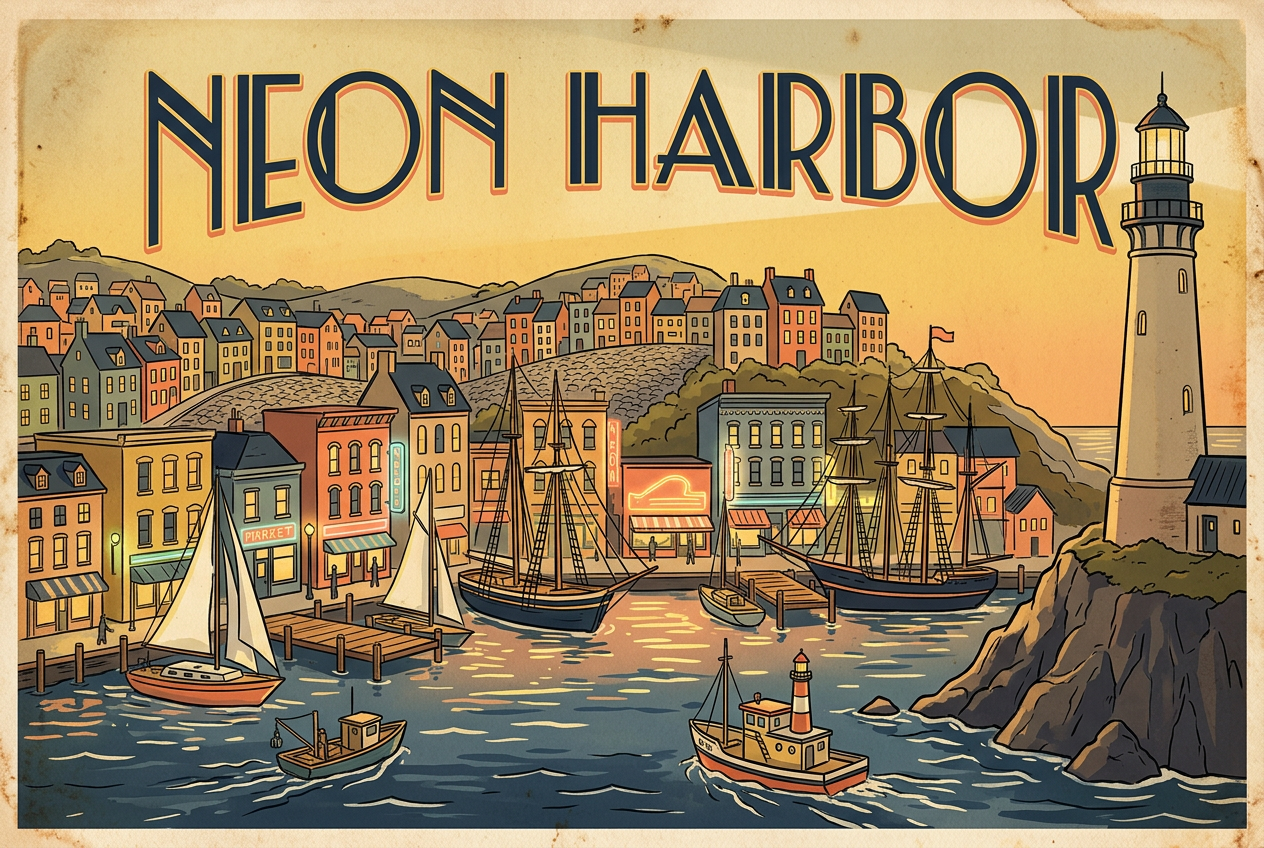
Illustration styles (5 prompts: flat design, vintage poster, editorial illustration, sketch, watercolor):
Both models handled illustration styles reasonably well. NB2’s outputs were stylistically accurate but occasionally less compositionally deliberate. The gap was smaller here than in photorealistic work — style transfer tasks are less dependent on compositional reasoning.
Cross-dimensional fusion (3 prompts: mixing 2D cartoon and 3D realistic in one scene, sketch-to-photo transitions, mixing hand-drawn and CGI elements):
This is NB2’s most significant weakness. When asked to blend visual languages — a realistic hand holding a flat 2D cartoon object, or a sketch character stepping into a photorealistic environment — NB2 frequently produces results that feel visually unresolved. The seams between styles are obvious. NB Pro handles these transitions more naturally, likely because the thinking stage reasons about how to unify the visual language before committing to pixels.
Abstract and conceptual (2 prompts: concept-driven compositions without a literal subject):
Both models performed similarly on abstract prompts, with NB Pro showing slightly stronger spatial composition.
| Subcategory | NB2 | NB Pro |
|---|---|---|
| Photorealistic scenes | 3.6 / 5 | 4.3 / 5 |
| Illustration styles | 3.8 / 5 | 4.0 / 5 |
| Cross-dimensional fusion | 3.0 / 5 | 4.1 / 5 |
| Abstract / conceptual | 3.5 / 5 | 3.9 / 5 |
| Category Average | 3.5 / 5 | 4.1 / 5 |
Practical takeaway: For creative and artistic work, NB Pro is the clear choice. The thinking mode’s composition analysis produces better results in photorealistic and stylistically complex scenes. Cross-dimensional fusion specifically should be avoided with NB2 — the outputs rarely look intentional.
Test Category 5: Ultra-Wide Formats (8 Prompts)
This category is unique: Nano Banana Pro does not support ultra-wide ratios, so there is no comparison baseline. NB2 is the only model in the Nano Banana family that supports 8:1, 1:8, 4:1, and 1:4 ratios. We evaluate NB2 on its own terms here — does it actually produce useful outputs at these extreme dimensions?

8:1 panoramas (3 prompts: website header scenes, nature panoramas, event banners):
The main compositional challenge at 8:1 is maintaining subject continuity across the extreme width without creating obvious seam points or compositionally dead zones. NB2 handles this better than expected for most natural and abstract scenes. Structured scenes — where specific elements need to appear at specific horizontal positions — are harder to control and showed more variability.
4:1 banners (3 prompts: website banners, wide social headers, timeline graphics):
At 4:1, NB2 produces consistently usable outputs. The ratio is close enough to standard wide formats (21:9 is roughly 2.3:1) that compositional logic scales more naturally. Social media headers, website hero banners, and event graphics all produced clean results.
1:8 vertical formats (2 prompts: tall infographic strips, mobile full-screen):
Vertical ultra-wide is harder to use well, and NB2’s outputs reflected that difficulty. The model tends toward centered compositions that don’t fully exploit the extreme height. These prompts need more explicit guidance about vertical flow (“starting at the top with X, then transitioning to Y at mid-point, ending with Z at bottom”) to produce intentional results.
| Format | NB2 Avg | Notes |
|---|---|---|
| 8:1 panoramas | 3.5 / 5 | Strong on organic/natural subjects; structured scenes show variability |
| 4:1 banners | 3.7 / 5 | Consistently usable for web and social use cases |
| 1:8 vertical | 3.4 / 5 | Requires explicit vertical flow in prompt; defaults to centered composition |
| Category Average | 3.5 / 5 | NB2 exclusive — no Pro baseline |
Practical takeaway: Ultra-wide formats are a genuine NB2 capability advantage. The quality is solid for practical use cases — particularly web banners at 4:1 and horizontal panoramas at 8:1. Vertical formats at 1:8 require more explicit prompting to use effectively. No other model in the Nano Banana family supports these ratios at all.
Results Summary
| Category | Prompts | NB2 Avg | NB Pro Avg | Winner |
|---|---|---|---|---|
| Product Photography | 10 | 3.8 / 5 | 4.2 / 5 | NB Pro |
| Text Rendering | 10 | 4.1 / 5 | 3.8 / 5 | NB2 |
| Character Consistency | 10 | 3.6 / 5 | 3.8 / 5 | NB Pro (slight) |
| Creative / Artistic | 15 | 3.5 / 5 | 4.1 / 5 | NB Pro |
| Ultra-Wide Formats | 8 | 3.5 / 5 | N/A | NB2 (exclusive) |
| Overall (excl. ultra-wide) | 45 | 3.7 / 5 | 4.0 / 5 | NB Pro |
Key Findings
1. NB Pro wins on overall aesthetic quality, especially in creative and photorealistic work.
The gap is widest in creative and artistic categories — 3.5 vs. 4.1, a 0.6-point difference. This is not negligible. NB Pro’s thinking mode produces measurably better results in scenes that require compositional reasoning, not just execution — and the scores in this category reflect that directly.
2. NB2 has a genuine, measurable edge in text rendering.
4.1 vs. 3.8 — NB2 is more accurate and more consistent on text-heavy prompts across all tested languages. This advantage holds across English, Chinese, Japanese, and mixed-language compositions. If your use case involves text in images, NB2 is the more reliable choice.
3. Cross-dimensional fusion is NB2’s clearest weakness.
Prompts that mix visual languages — cartoon + photorealistic, sketch + CGI, 2D + 3D — produced NB2’s worst results in this benchmark: 3.0/5. This is not a use case where you should default to NB2. NB Pro’s outputs on these same prompts were substantially better (4.1/5), suggesting the thinking mode is doing meaningful work in resolving style conflicts.
4. Ultra-wide formats are a real, exclusive capability.
No other Nano Banana model supports 8:1 or 4:1. NB2’s quality at these ratios is solid for practical use cases — web banners, event headers, panoramic scenes. The 3.5–3.7 range scores reflect real usability, not aspirational quality.
5. At a lower credit cost, NB2 delivers approximately 90% of Pro’s quality on practical use cases.
For product photography (3.8 vs. 4.2), character consistency (3.6 vs. 3.8), and illustration-style creative work (3.8 vs. 4.0) — the gap is real but narrow enough that most practical outputs from NB2 are usable. NB2 costs 7 credits per image at 2K; NB Pro costs 10 credits at the same resolution. For high-volume workflows — social media, blog illustrations, product listings — that 30% per-image saving adds up fast: 100 images per month saves 300 credits, enough for 30 additional Pro images or 43 additional NB2 images on the same plan.
Where NB2 Excels
Text-heavy compositions. Any time your image needs accurate, legible text — logos, poster headlines, multilingual signage, infographic labels — NB2 outperforms Pro in accuracy and consistency. This advantage extends across Latin and non-Latin scripts.
High-volume practical content. Blog illustrations, social media images, marketing templates, product mockups at standard ratios. The outputs are clean and consistent at a lower cost per image.
Ultra-wide banners and panoramas. No other model in the family supports these formats. For website headers, event banners, scrolling panoramas, and timeline graphics, NB2 is the only option that generates native (non-cropped) ultra-wide compositions.
Batch workflows. At 7 credits per 2K image vs. 10 for Pro, NB2 extends your credit allocation on every image. A marketing team producing 100 images per month saves 300 credits by using NB2 where it’s the right tool — equivalent to 30 additional Pro images, or 43 additional NB2 images, per month on the same plan.
Where NB2 Falls Short
Cross-dimensional style fusion. Mixing visual languages in one scene is NB2’s most consistent failure mode — it scored 3.0/5 in this subcategory, the lowest result across the entire benchmark. If your brief calls for a “3D character in a flat 2D world” or “photorealistic hand holding a cartoon object,” use Pro.
Photorealistic scenes with complex lighting. Multiple light sources, atmospheric effects, dramatic environmental lighting — Pro’s thinking stage handles these with noticeably better coherence. NB2 generates faster but the compositional logic is less reliable.
High-stakes aesthetic work. Portfolio pieces, hero images, and commercial content where visual quality is the primary deliverable favor Pro. The 0.6-point gap in creative/artistic scoring (3.5 vs. 4.1) translates to a visible difference in output quality that clients and audiences will notice.
Character scenes at scale. Multi-character compositions with 4–5 distinct characters showed the widest NB2-vs-Pro gap in the character consistency category. For complex character group scenes, Pro’s advantage is worth the extra credits.
Conclusion
Nano Banana 2 is not the better model overall — this benchmark confirms that Nano Banana Pro produces higher-quality outputs in most categories. But “overall better” is rarely the right frame for choosing between tools.
The more useful frame is: what are you trying to produce, and at what scale?
If your workflow involves text-heavy content, high-volume image production, or ultra-wide formats, NB2 is the correct choice — it outperforms Pro on text accuracy and offers exclusive capabilities that Pro simply cannot provide. If your work requires cross-dimensional style fusion, complex photorealism, or maximum aesthetic quality for creative and artistic content, Pro’s thinking mode earns its higher credit cost.
Most real workflows use both. Draft at scale with NB2, then use Pro’s credits where they matter most. The combination is more powerful than either model alone.
The patterns above are a starting point. Your specific prompts may perform differently — run a few tests on your actual use cases to confirm where each model lands for your work.
Try it on Banana AI — start free, no credit card required
Related reading: